 Upcoming OPWDD Public Meetings are September 24th and 25th Developmental Disabilities Advisory Council Tuesday, September 24, 11 AM until 2 PM The next public meeting of the Developmental Disabilities Advisory Council will be held Tuesday, September 24, from 11 am until 2 pm.The Developmental Disabilities Advisory Council (DDAC) was established pursuant to section 13.05 of the Mental Hygiene Law and provides recommendations for statewide priorities and goals, comprehensive planning, resource allocation, and evaluation processes for state and local services for people with developmental disabilities. Meetings are open to the public.The September 24th meeting will be held in person at the following locations:Albany Location: Empire State Plaza, Meeting Room 1, Albany, NYNYC Location: Center for Family Support, 333 Seventh Avenue, 9th Floor, New York, NY 10001Buffalo Location: People Inc., 1219 North Forest Road, Williamsville, NY 14221Central New York Location: LIFEPlan CCO NY 290 Elwood Davis Road, Suite Liverpool, NY 13088Long Island Location: 191 Bethpage-Sweethollow Road, Old Bethpage, NY 11804 The meeting will also be held virtually via WebEx. The meeting details and the registration link can be accessed here: https://opwdd.ny.gov/event/developmental-disabilities-advisory-council-meeting-5 Family Support Services Committee Wednesday, September 25, 11 AM – 3 PM The next public meeting of the Statewide Family Support Services Committee will be held Wednesday, September 25, from 11 AM until 3 PM. Local FSS Advisory Councils throughout New York State which are made up of people with developmental disabilities and family members plan, coordinate and monitor the delivery of FSS across the state. In addition, a Statewide FSS Committee made up of one representative from each of the local FSS Advisory Councils advises OPWDD regarding families’ support needs and the design, implementation and monitoring of FSS.You can join the September 25th meeting in person at the following locations:Empire State Plaza Meeting Room 1, Albany, NYCenter for Family Support – 333 Seventh Avenue, 9th Floor, New York, NY 10001People Inc. – 1219 North Forest Road, Williamsville, NY 14221 The meeting will also be held virtually via WebEx. The meeting details and the registration link can be accessed here: https://opwdd.ny.gov/event/fss-quarterly-meeting-15 VIEW ALL PUBLIC MEETINGSTo view this announcement in another language, visit the link at the bottom of this message and click on the translate button at the top to select your preferred language. Pour consulter cette annonce dans une autre langue, visitez le lien au bas de ce message et cliquez sur le bouton « traduire » situé en haut de votre écran pour sélectionner la langue de votre choix.Pou w wè anons sa a nan yon lòt lang, vizite lyen ki anba mesaj sa a epi klike sou bouton tradui ki anwo nan ekran w lan pou w chwazi lang ou pito a.Чтобы просмотреть это объявление на другом языке, перейдите по ссылке внизу этого сообщения и нажмите на кнопку «перевод» в верхней части экрана, чтобы выбрать предпочитаемый язык.Para ver este anuncio en otro idioma, visite el enlace que está la parte inferior de este mensaje y haga clic en el botón “traducir” en la parte superior de la pantalla para seleccionar el idioma de preferencia. 이 안내를 다른 언어로 보려면, 이 메시지 하단에 있는 링크를 방문하여 화면 상단의 번역(translate) 버튼을 클릭하고 선호하는 언어를 선택하십시오. 如需查看本公告的其他语言版本,请点击本消息底部的链接,然后点击屏幕上方的翻译按钮,并选择您的偏好语言。 Per visualizzare questo annuncio in un’altra lingua, visitate il link in fondo a questo messaggio e fate clic sul pulsante di traduzione nella parte superiore dello schermo per selezionare la lingua preferita Aby wyświetlić to ogłoszenie w innym języku, odwiedź łącze znajdujące się w dolnej części tej wiadomości i kliknij przycisk tłumaczenia u góry ekranu w celu wybrania preferowanego języka. এই ঘোষণাটি অন্য ভাষায় দেখতে, এই বার্তার নীচে দেওয়া লিঙ্কটিতে যান এবং আপনার পছন্দের ভাষা বেছে নিতে, স্ক্রিনের শীর্ষে থাকা “অনুবাদ করুন” বোতামে ক্লিক করুন৷ צו זען דעם מעלדן אין אַן אַנדערע שפּראַך, באַזוכן די לינק ביי די ענד פון דעם אָנזאָג און דריקן אויף די איבערזעצן קנעפּל אין די שפּיץ פון דיין סקרין צו אויסקלייַבן דיין בילכער שפּראַך. لعرض هذا الإعلان بلغةٍ أخرى، يرجى زيارة الرابط في أسفل هذه الرسالة والنقر على زر الترجمة في أعلى شاشتك من أجل تحديد لغتك المفضلة. اس اعلان کو کسی دوسری زبان میں دیکھنے کے لیے، اس پیغام کے زیریں حصے میں موجود لنک ملاحظہ کریں اور اپنی ترجیحی زبان منتخب کرنے کے لیے اپنی اسکرین کے بالائی حصے پر موجود ترجمے کے بٹن پر کلک کریں۔ https://opwdd.ny.gov/news/upcoming-opwdd-public-meetings-are-september-24th-and-25thHaving trouble viewing this email? View it as a Web page. |

Brooklyn Developmental Disabilities Council
BKDDC is group of family members, people with disabilities and professionals who volunteer their time to improve the lives of people with Intellectual/Developmental Disabilities living in Brooklyn.
Join Advocacy Efforts TODAY!
Look Up Who Represents YOU!
https://www.mygovnyc.org/
or Scan the QR Code Below!

-
-
OPWDD and the NYS Justice Center have partnered to develop new resources to help families and service providers as they work together to support people with developmental disabilities. OPWDD is committed to reducing abuse and neglect in the system and will be working with people with lived experience, families, and provider representatives and the Justice Center to begin a systemwide abuse prevention initiative in the near future.
- A Provider’s Guide to Effective Communication contains FAQs and tips for communicating with people with developmental disabilities, personal representatives and family members when talking about reports of abuse or neglect.
- A Guide to Effective Advocacy, developed by the Justice Center, contains tips for people with developmental disabilities and their families or personal representatives when advocating for effective responses to incidents of abuse or neglect.
- The Cross Agency Prevention Sharing Initiative Resource Repository now located on the Justice Center’s website contains links to information, guidance documents, and programs aimed at preventing abuse and neglect within New York State’s service systems.
Additional resources related to preventing and responding to incidents of abuse or neglect can be found on both the OPWDD website and the NYS Justice Center’s website as well.
OPWDD Resources
Justice Center Resources
To view this announcement in another language, visit the link at the bottom of this message and click on the translate button at the top to select your preferred language.
Pour consulter cette annonce dans une autre langue, visitez le lien au bas de ce message et cliquez sur le bouton « traduire » situé en haut de votre écran pour sélectionner la langue de votre choix.Pou w wè anons sa a nan yon lòt lang, vizite lyen ki anba mesaj sa a epi klike sou bouton tradui ki anwo nan ekran w lan pou w chwazi lang ou pito a.
Чтобы просмотреть это объявление на другом языке, перейдите по ссылке внизу этого сообщения и нажмите на кнопку «перевод» в верхней части экрана, чтобы выбрать предпочитаемый язык.
Para ver este anuncio en otro idioma, visite el enlace que está la parte inferior de este mensaje y haga clic en el botón “traducir” en la parte superior de la pantalla para seleccionar el idioma de preferencia.
이 안내를 다른 언어로 보려면, 이 메시지 하단에 있는 링크를 방문하여 화면 상단의 번역(translate) 버튼을 클릭하고 선호하는 언어를 선택하십시오.
如需查看本公告的其他语言版本,请点击本消息底部的链接,然后点击屏幕上方的翻译按钮,并选择您的偏好语言。
Per visualizzare questo annuncio in un’altra lingua, visitate il link in fondo a questo messaggio e fate clic sul pulsante di traduzione nella parte superiore dello schermo per selezionare la lingua preferita
Aby wyświetlić to ogłoszenie w innym języku, odwiedź łącze znajdujące się w dolnej części tej wiadomości i kliknij przycisk tłumaczenia u góry ekranu w celu wybrania preferowanego języka.
এই ঘোষণাটি অন্য ভাষায় দেখতে, এই বার্তার নীচে দেওয়া লিঙ্কটিতে যান এবং আপনার পছন্দের ভাষা বেছে নিতে, স্ক্রিনের শীর্ষে থাকা “অনুবাদ করুন” বোতামে ক্লিক করুন৷
צו זען דעם מעלדן אין אַן אַנדערע שפּראַך, באַזוכן די לינק ביי די ענד פון דעם אָנזאָג און דריקן אויף די איבערזעצן קנעפּל אין די שפּיץ פון דיין סקרין צו אויסקלייַבן דיין בילכער שפּראַך.
لعرض هذا الإعلان بلغةٍ أخرى، يرجى زيارة الرابط في أسفل هذه الرسالة والنقر على زر الترجمة في أعلى شاشتك من أجل تحديد لغتك المفضلة.
اس اعلان کو کسی دوسری زبان میں دیکھنے کے لیے، اس پیغام کے زیریں حصے میں موجود لنک ملاحظہ کریں اور اپنی ترجیحی زبان منتخب کرنے کے لیے اپنی اسکرین کے بالائی حصے پر موجود ترجمے کے بٹن پر کلک کریں۔https://opwdd.ny.gov/news/new-resources-advocacy-communication-incident-management
- A Provider’s Guide to Effective Communication contains FAQs and tips for communicating with people with developmental disabilities, personal representatives and family members when talking about reports of abuse or neglect.
-
The ARISE Coalition (a group dedicated to supporting and advocating for students with disabilities in NYC) on a survey that is seeking:
(1) feedback from parents and families about their students’ experiences with special education in NYC public schools during the previous 2023-2024 school year, and
(2) input on improvements they might like to see going forward.
If applicable, please fill out the attached survey before August 27, 2024. It should only take a few minutes, and you have the option to remain completely anonymous.
You can fill out as many surveys as you have students in your household, but please do not fill out multiple surveys for the same individual.
Once you click the link, there is an option to access in English, Spanish, Chinese, and Arabic).
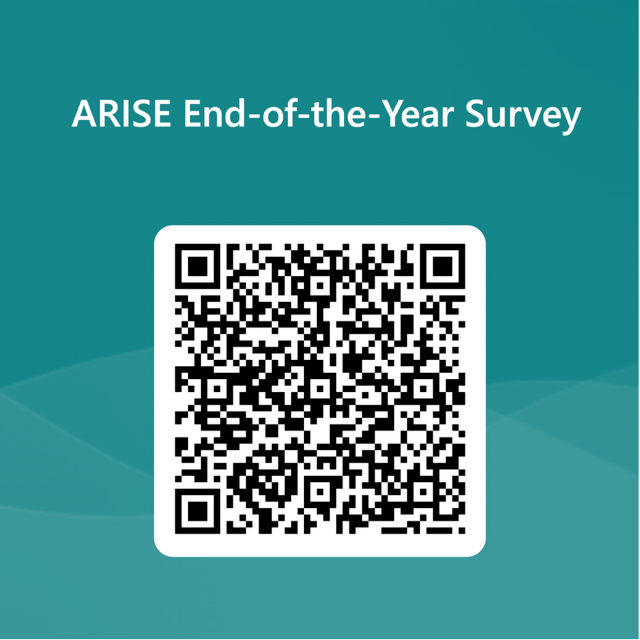
To access the ARISE 2023-2024 School Year Survey you can use the link provided or the QR Code below.
-
Dear Friends,
On behalf of OPWDD and the American Institutes for Research, I am pleased to share an opportunity for people with lived disability experience and their family members to provide feedback on your experiences with care management.
OPWDD currently has a contract with the American Institutes for Research to conduct an independent evaluation of the Care Coordination program. The goal of the evaluation is to learn what parts of the program are working well and what areas could be improved.
We know that those of you who interact on a regular basis with Care Coordination Organizations and care managers can help us understand how we can strengthen care management going forward. We hope you will take a few moments to participate in the Care Coordination Evaluation survey. The online survey will be open until August 26, 2024.
To participate in the survey visit: https://survey.alchemer.com/s3/7823011/OPWDDCareCoordinationSurvey
Learn more about this project at https://opwdd.ny.gov/american-rescue-plan-act-arpa.
I look forward to hearing your thoughts about this important service.
Thank you,
Willow Baer
Acting Commissioner
 Brooklyn Developmental Disabilities Council
You must be logged in to post a comment.