

For the full report, please click here. See below for highlights!
Introduction
Prevalence: Nearly one in six New York City residents has a disability, with a higher rate among those aged 25 to 55.
Barriers: People with disabilities face significant barriers to employment, including discrimination and inadequate accommodation.
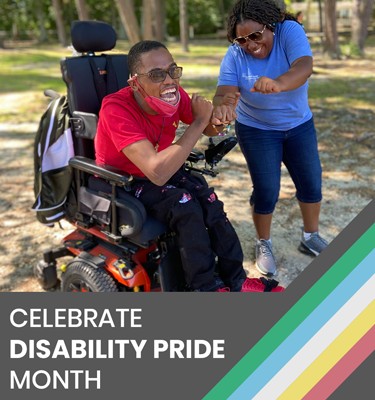
Focus: The report highlights employment issues among New Yorkers aged 25 to 55 with disabilities, in recognition of Disability Pride Month and the ADA.
Defining Disability
ADA Definition: Disability includes physical or mental impairments that substantially limit major life activities.
Survey Method: The report uses data from the American Community Survey (ACS) which categorizes disabilities into cognitive, ambulatory, independent living, vision, self-care, and hearing difficulties.
Disability and Employment in NYC
Employment Gap: Disabled workers in NYC have a significantly lower employment rate (41%) compared to non-disabled workers (81%). This gap is wider than the national average.
Income: Disabled workers earn less than their non-disabled counterparts, with a median income disparity both in NYC and nationally.
Variation by Disability Type: Employment rates vary by disability type, with those having vision and hearing difficulties faring better than those with cognitive, ambulatory, independent living, or self-care difficulties.
Occupational Distribution
Over/Underrepresentation: Disabled workers are overrepresented in service and administrative roles but underrepresented in management, business, and financial occupations.
Disability and Employment Disparities
Racial/Ethnic Differences: Employment rates are lower for Black and Hispanic individuals with disabilities compared to their white and Asian counterparts.
Gender Disparities: Disabled men face a greater employment penalty than disabled women, reflecting broader occupational trends.
Impact of COVID-19
Increased Disability Rates: The proportion of disabled individuals in NYC increased post-pandemic, possibly due to long COVID.
Remote Work: While remote work opportunities have increased, the rise has been less pronounced for disabled workers, who are often in occupations that cannot be performed remotely.
Conclusion
Ongoing Challenges: Despite some improvements, significant employment gaps remain for people with disabilities in NYC. The pandemic highlighted and somewhat alleviated some issues, but further efforts are needed to achieve equitable employment outcomes.
The report underscores the need for continued advocacy and policy efforts to improve employment opportunities and outcomes for people with disabilities.

 Brooklyn Developmental Disabilities Council
You must be logged in to post a comment.